
In the world of automotive tuning, achieving optimal performance in straight-line speed is a top priority for many enthusiasts. One of the critical areas that can significantly impact acceleration and overall drag performance is the suspension system. While engines and aerodynamics often receive the lion’s share of attention, proper suspension upgrades can effectively transform your vehicle’s capabilities on the drag strip.
A well-tuned suspension not only improves traction but also enhances weight transfer dynamics during hard acceleration. This is crucial for maximizing grip on the starting line, enabling your car to launch with minimal wheelspin and maintain stability throughout the race. By investing in high-quality suspension components, you can unlock your vehicle’s full potential, ensuring that every ounce of power is effectively transmitted to the ground.
In this article, we will explore the best suspension upgrades that can help you achieve enhanced straight-line speed. From adjustable coilovers to specialized sway bars, each modification plays a vital role in optimizing your vehicle’s performance for the demands of drag racing. Whether you’re a seasoned racer or a weekend warrior, understanding how these upgrades work together will empower you to make informed decisions and elevate your tuning game.
Selecting the Right Shock Absorbers for Drag Racing
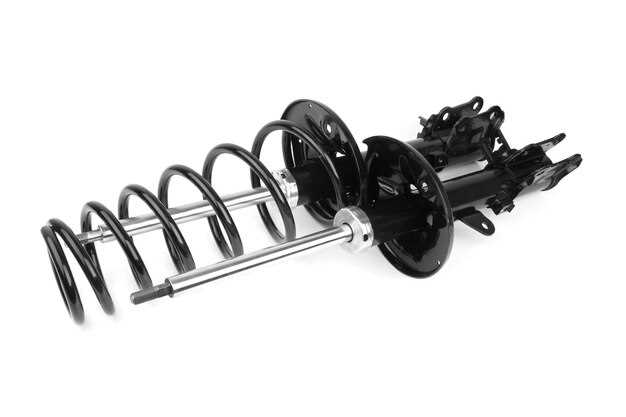
When it comes to enhancing your vehicle’s performance in drag racing, the selection of shock absorbers plays a critical role in optimizing suspension dynamics. Properly tuned shock absorbers can significantly improve traction and stability during the intense acceleration phases of a drag race.
Drag racing requires a unique approach to suspension tuning, as the primary goal is to achieve maximum grip while minimizing weight transfer. When selecting shock absorbers, consider adjustable models that allow you to fine-tune the compression and rebound settings. This adjustability lets you match your setup to varying track conditions, tire choices, and vehicle configurations.
Another important factor is the type of shock absorber. For drag racing, gas-charged shock absorbers are often preferred due to their ability to provide consistent performance under high-stress conditions. These shocks maintain a stable damping force and reduce the likelihood of fading during prolonged runs.
Moreover, look for shocks specifically designed for drag racing applications. These units typically feature quicker rebound rates, which help the chassis settle faster after a launch, thereby allowing the tires to make contact with the track sooner. This quick response is crucial for achieving the best possible launch and maintaining straight-line speed.
Your vehicle’s weight distribution and suspension geometry also influence the appropriate shock absorber choice. A vehicle with a rear-biased weight distribution may benefit from stiffer rear shocks to counteract excessive squat during acceleration. Conversely, if the front end lifts excessively, consider investing in front shocks that provide quick rebound to maintain stability without sacrificing speed.
In summary, the right shock absorbers are integral to maximizing performance in drag racing. Focus on adjustable gas-charged shocks designed for racing, and consider your vehicle’s specific dynamics and adjustments necessary for optimal track performance. Selecting the correct shocks will ultimately aid in achieving enhanced straight-line speed and improving overall race outcomes.
Adjusting Ride Height for Improved Launch Control

When it comes to maximizing straight-line speed, one of the most critical factors is the vehicle’s ride height. Proper adjustment of the ride height can significantly influence launch control dynamics, especially in drag racing scenarios.
Lowering the ride height can enhance a vehicle’s aerodynamics and reduce drag, allowing for smoother airflow over the car’s body. This reduction in drag can improve acceleration during initial launches, providing a notable advantage in quick-start situations. However, it is essential to find the right balance; overly aggressive lowering may lead to bottoming out and loss of traction.
To optimize launch control, tuning the suspension to achieve an ideal ride height involves adjusting both the front and rear setups. When the rear is lowered properly, weight transfer during acceleration is improved, which provides better traction. Conversely, if the front is too low, it may restrict weight transfer where it is needed most, causing loss of grip.
In addition, ride height adjustments can affect the vehicle’s center of gravity. A lower center of gravity generally results in better stability and handling, which is crucial during the high-speed maneuvers typical in racing environments. Careful tuning of the suspension components can help maintain optimal alignment and prevent adverse effects on performance.
Ultimately, achieving the right ride height is a crucial step in enhancing launch control, allowing for improved acceleration and reduced quarter-mile times. Implementing precise adjustments based on testing and feedback will enable racers to fine-tune their setups for maximum effectiveness in achieving their drag racing goals.