
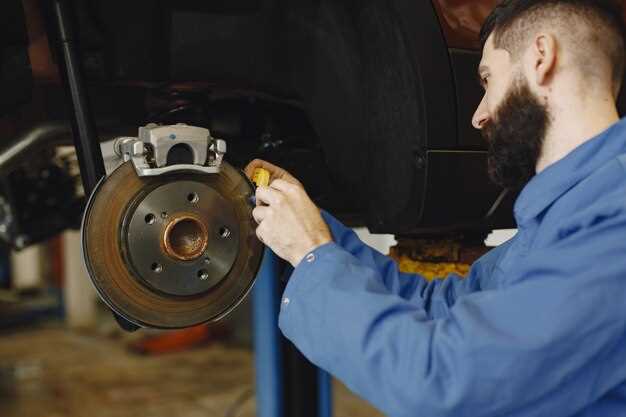
In the world of racing, where every millisecond counts, the performance of your brakes can make the difference between victory and defeat. Proper maintenance and care of your brake system not only enhance your vehicle’s speed but also significantly improve safety on the track. Understanding the intricacies of your brake components is essential for any serious racer aiming for optimal performance.
The brake system is a complex assembly designed to instill confidence during high-speed maneuvers. This system comprises various elements, including brake pads, discs, fluid, and calipers, all of which must function in perfect harmony. Neglecting any aspect of this critical infrastructure can lead to catastrophic failures during a race. Therefore, it is imperative to prioritize regular inspections and maintenance routines.
Emphasizing the importance of brake care is not just about ensuring a smooth ride; it’s fundamentally linked to the safety of both the driver and others on the track. By understanding how to properly maintain and optimize your brake system, you equip yourself with the necessary tools to push the limits of racing while minimizing risks. In the following sections, we’ll explore actionable tips and best practices to keep your brake system in top condition, ensuring that you can race with confidence.
Regular Inspection Protocols for Racing Brakes
Effective performance in racing is heavily reliant on the condition of the brakes. Regular inspections are crucial to ensure that brakes function optimally under high-stress conditions. Each inspection should focus on several key components: brake pads, rotors, fluid, calipers, and lines.
Start with the brake pads. Check for wear indicators and measure the thickness to determine if they need replacement. A minimum thickness ensures adequate contact and braking efficiency. Pay attention to any uneven wear, which may indicate misalignment or other issues.
Next, examine the rotors for any signs of warping or scoring. Look for fresh grooves or discoloration, which can affect the heat dispersion and overall braking performance. If the surface is damaged, consider resurfacing or replacing the rotors to enhance grip during racing.
Brake fluid is another critical element that should not be overlooked. Inspect the brake lines for leaks and ensure there are no air bubbles within the fluid. Since brake fluid absorbs moisture over time, it is essential to check its boiling point and change it regularly to maintain effectiveness under higher temperatures.
Examine calipers for any signs of rust or corrosion. Ensure that the caliper pistons move freely and retract appropriately after braking. Proper caliper function is vital for even pad wear and responsive braking performance.
Additionally, assess the brake lines for any wear and tear. Cracks, bulges, or soft spots can greatly affect the integrity of the braking system. Replace any damaged lines immediately to prevent brake failure during a race.
Finally, it is crucial to document all inspections and findings systematically. Keeping a detailed log allows you to spot trends, anticipate maintenance needs, and ensure peak performance as race day approaches. Establishing a rigorous inspection schedule guarantees that your braking system remains reliable and effective, ultimately enhancing your racing performance and safety on the track.
Upgrading Brake Components for Enhanced Safety
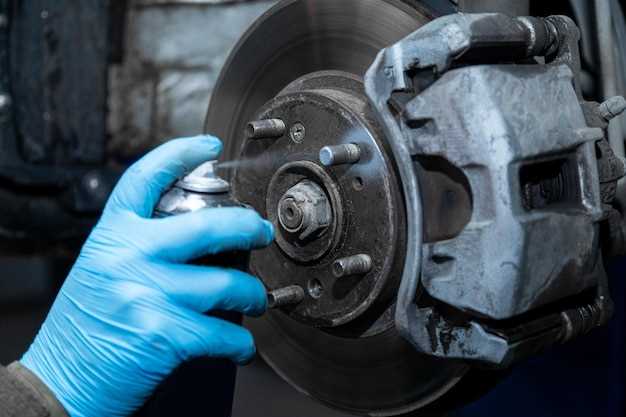
In the competitive world of racing, the significance of a reliable brake system cannot be overstated. Upgrading brake components is crucial for enhancing safety and improving overall race performance. When drivers push their vehicles to the limits, high-quality brakes become essential for maintaining control and reducing stopping distances.
One of the primary components to consider upgrading is the brake pads. High-performance racing pads are designed to operate at elevated temperatures while providing superior grip. These specialized pads ensure that maximum friction is achieved, resulting in shorter stopping distances and increased stability during intense maneuvers.
Another critical component is the brake rotors. Investing in slotted or vented rotors can significantly improve heat dissipation, preventing brake fade, which is a common issue in racing scenarios. These rotors enhance safety by ensuring consistent braking performance even under extreme conditions, allowing drivers to maintain control at high speeds.
Upgrading brake lines to stainless steel braided options is also essential for enhanced safety. These lines reduce expansion during braking, providing a firmer pedal feel and improving response time. This upgrade leads to more precise braking control, allowing racers to react swiftly to changing track conditions.
Furthermore, considering the master cylinder and brake calipers is vital. A larger master cylinder can provide better fluid volume, resulting in quicker engagement of the brakes. Upgrading to lightweight calipers can reduce overall vehicle weight while improving heat dissipation, allowing for sustained high performance without compromising safety.
Finally, regular maintenance and inspection of upgraded components ensure they perform at their best. Proper care not only enhances their lifespan but also ensures that safety remains a top priority during races. By investing in high-quality brake components and maintaining them diligently, racers can significantly improve their safety on the track, leading to better performance and more successful races.
Understanding Brake Cooling Techniques During Races
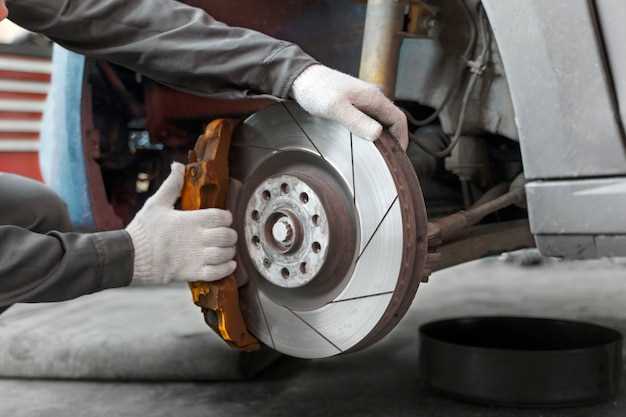
Effective brake cooling is vital for maintaining optimal performance and ensuring safety during races. Overheating can lead to brake fade, reducing the stopping power and increasing the risk of accidents. Various techniques can be employed to enhance brake cooling and prolong the life of braking components.
Air Ducts are one of the most common methods for cooling brakes. These ducts channel airflow directly to the brake calipers and rotors, allowing for a constant supply of cool air. Proper placement and design of air ducts can significantly enhance the cooling efficiency, making them an essential part of a racer’s setup.
Another effective technique is the use of Brake Cooling Fans. These electrically powered fans can be employed to increase airflow to the brakes, especially in situations where natural airflow may be insufficient. By strategically positioning these fans, teams can achieve better thermal management during high-speed races.
Rotational Cooling refers to the technique of using vented or slotted rotors, which improve airflow through the brake assembly. This design allows heat generated during braking to dissipate more efficiently, thus reducing the risk of brake overheating. Furthermore, selecting materials that provide better thermal conductivity can also aid in effective heat dissipation.
Implementing Brake Pad Selection is crucial as different materials react differently to heat. Some pads are designed to withstand higher temperatures without significant fade, ensuring consistent braking performance. Teams must consider the specific demands of the racing environment when choosing the right compound for their vehicles.
Finally, Monitoring Brake Temperatures using sensors during the race is essential. This real-time data allows teams to make informed decisions about pit stops or adjustments needed to the brake system, enhancing safety and strategic planning throughout the competition.
In conclusion, understanding and implementing effective brake cooling techniques is critical for maintaining performance and safety during races. By employing methods like air ducts, cooling fans, and selecting appropriate materials, racers can significantly reduce the risk of brake failure and improve overall racing results.


