
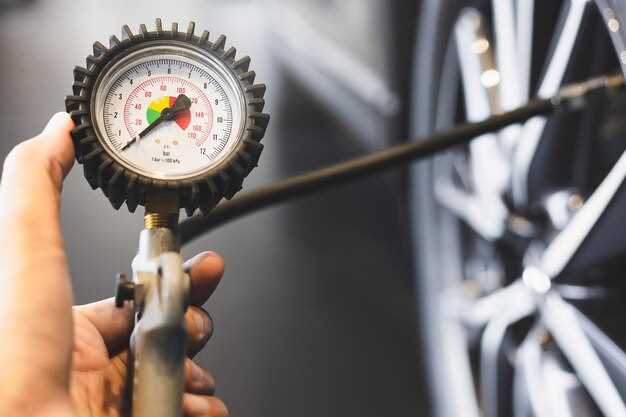
The relationship between tire pressure and vehicle performance is a critical aspect often overlooked by many drivers. Properly inflated tires are essential for achieving optimal launch performance during acceleration. Tire pressure not only influences the amount of grip between the tire and the road but also affects how quickly a vehicle can transition from a standstill to its peak speed.
When a vehicle launches, the forces at play demand a delicate balance between traction and tire deformation. Under-inflated tires can lead to excessive flexing, resulting in prolonged contact patch and potential slippage. This can significantly hamper the vehicle’s ability to propel forward efficiently. Conversely, over-inflated tires may produce less contact with the road surface, compromising grip and stability during the initial acceleration phase.
Understanding the correct tire pressure requirements is therefore essential not only for safety but also for achieving optimal performance in competitive and everyday driving situations. By maintaining the recommended tire pressure, drivers can enhance their vehicle’s launch capabilities, ensuring maximum grip and efficient power transfer to the ground.
Optimal Tire Pressure Settings for Maximum Launch Traction
The relationship between tire pressure and launch performance is critical for achieving maximum grip during acceleration. Proper pressure settings can enhance the contact patch of the tire with the road, increasing traction and allowing for better power transfer from the vehicle to the surface.
Generally, lower tire pressure can provide improved grip, especially in situations where quick launches are required, such as drag racing or off-road applications. This is primarily because reduced pressure allows for a larger contact area, which promotes better traction. However, it’s essential to balance the benefits of lower pressure against the risk of tire roll or overheating in high-speed scenarios.
For optimal traction, consider adjusting the tire pressure according to the type of surface. On a smooth, paved surface, a tire pressure of around 28-32 psi is typically appropriate for most performance vehicles. For dirt or loose surfaces, lowering the pressure to between 18-24 psi can improve traction significantly by allowing the tire to deform and grip more effectively.
Additionally, the vehicle’s weight distribution plays a vital role in determining the ideal pressure. A well-balanced vehicle may require slightly higher pressures as the load is evenly distributed, while a front- or rear-heavy vehicle might need a more tailored adjustment to ensure grip during a launch.
It is also crucial to regularly check the tire pressure before each event. Temperature fluctuations and changes in ambient conditions can affect tire pressure, leading to suboptimal performance. Monitoring and adjusting pressures ensure that each launch is executed with maximum efficiency.
Ultimately, finding the optimal tire pressure for launching requires experimentation and careful observation. Assessing performance metrics and making incremental adjustments will lead to the best settings for achieving maximum launch traction.
How Tire Pressure Influences Acceleration and Handling
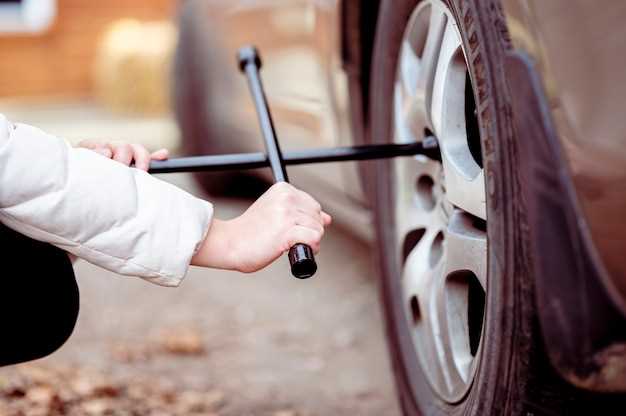
Tire pressure plays a crucial role in determining a vehicle’s acceleration and overall handling capabilities. The correct pressure ensures optimal contact between the tires and the road, which is essential for effective launch during acceleration. When tire pressure is too low, the tires may flex excessively, leading to increased rolling resistance and reduced traction. This situation inevitably hinders the vehicle’s ability to accelerate quickly, as the engine power is not effectively transferred to the ground.
Conversely, overly high tire pressure can result in a harsh ride and compromised grip. Under these conditions, the tires may not conform adequately to the road surface, which affects handling negatively. This can lead to diminished cornering performance, as the vehicle becomes prone to losing stability during sharp turns. The balance between adequate pressure and tire design is essential; finding this sweet spot allows for better acceleration and responsive handling characteristics.
Moreover, maintaining the correct tire pressure contributes to improved fuel efficiency and longer tire life. When tires operate at their optimal pressure, they deliver enhanced feedback to the driver, facilitating confident maneuvers and quicker reaction times. Ultimately, the right tire pressure not only enhances launch performance but also improves overall driving dynamics, making it a critical element for any high-performance vehicle.
Tire Pressure Adjustments for Varied Weather Conditions
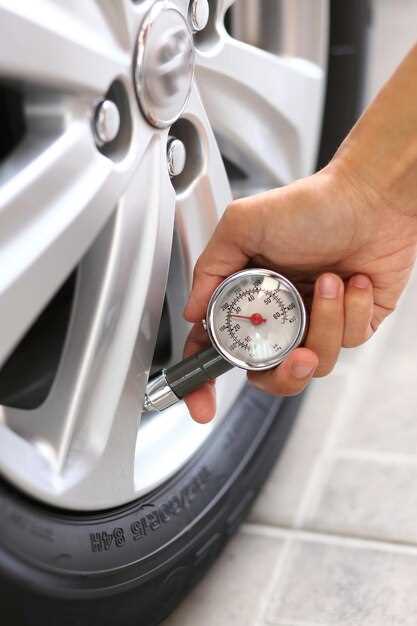
Maintaining optimal tire pressure is crucial for maximizing launch performance and grip, particularly in varying weather conditions. Different environments can significantly affect traction, stability, and overall vehicle handling. Therefore, adjusting tire pressure accordingly can lead to enhanced performance during launches.
In wet conditions, lower tire pressure can increase the contact patch between the tire and the road surface. This adjustment allows for improved grip on slippery surfaces, as more rubber makes contact with the ground. However, it is essential to avoid excessively low pressure, which can lead to hydroplaning and reduced steering response.
Conversely, in hot weather or during prolonged exposure to high temperatures, tire pressure should be increased slightly. Elevated temperatures result in tire expansion; therefore, starting with higher pressure can prevent tires from exceeding their optimal limits. This adjustment helps maintain grip and control, enhancing launch effectiveness.
When the weather is cold, it is advisable to check tire pressure more frequently, as lower temperatures can cause the air inside tires to contract. Slightly decreasing pressure could improve grip but should be balanced with the need for adequate stiffness to support launch dynamics.
Understanding the relationship between tire pressure and weather conditions is vital for any driver aiming to optimize launch performance. Regular monitoring and adjustments based on the current climate will enhance traction, stability, and overall driving experience.


