

Improving your reaction time on the drag strip can make a significant difference in your performance and overall racing experience. As any seasoned racer knows, the launch is the critical moment when a driver transitions from a standstill to full acceleration. Maximizing your ability to react quickly to the green light can set the tone for the entire race. In this article, we will explore effective strategies to enhance your reaction time, ensuring that you leave the starting line with confidence and speed.
Understanding the factors that influence your reaction time is essential for any racer. From mental preparedness to physical conditioning, various elements play a role in how quickly you respond in the heat of the moment. Incorporating specific training exercises and techniques into your routine can significantly sharpen your reactions, allowing you to achieve a quicker response when the countdown begins. With practice and the right mindset, you can minimize the gap between the launch signal and your acceleration, ultimately improving your time on the strip.
In the following sections, we will delve into practical tips and practices that have been proven to enhance reaction time. Whether you are a novice aiming to improve your skills or an experienced racer looking to gain an edge, these insights will help you refine your abilities and maximize your performance at the strip. Get ready to transform your racing game and make every second count!
Training Drills to Improve Fast Response
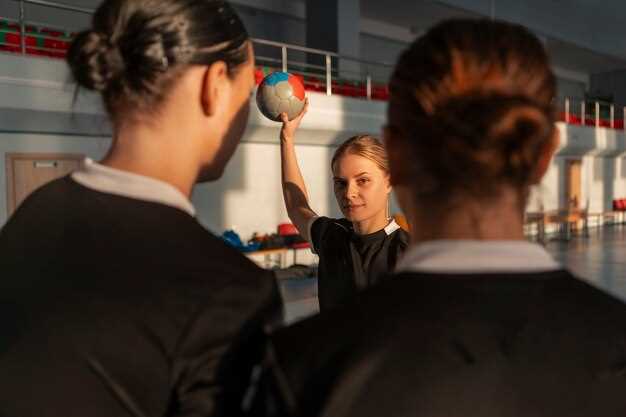
Enhancing your reaction time is crucial for success at the Strip, and engaging in specific training drills can significantly improve your performance. Here are some effective drills that target quick responses:
1. Reaction Ball Drills: Utilize a reaction ball, which is designed to bounce unpredictably. Throw the ball against a wall or drop it, and focus on catching it as quickly as possible. This drill not only sharpens your hand-eye coordination but also trains your brain to react faster to sudden movements.
2. Partner Reflex Drills: Work with a partner to improve your reaction time. Stand facing each other and randomly signal each other to make a quick move, such as touching your shoulder or raising your hand. Your goal is to respond as quickly as possible to their cues. This drill emphasizes the importance of anticipation and quick decision-making.
3. Light Reaction Drills: Use a set of lights or a reaction timer that flashes random colors. Your task is to respond by pressing a button or touching the correct light as quickly as possible. This exercise enhances your visual processing speed and mental agility.
4. Agility Ladder Drills: Set up an agility ladder and perform various footwork patterns, such as side steps or high knees. Focus on moving quickly and accurately through the ladder while maintaining control. This improves your overall agility and explosiveness, contributing to faster reactions in various situations.
5. Video Game Reaction Training: Engage in video games that require fast responses, such as first-person shooters or racing games. These games stimulate quick decision-making and reflexes, helping to promote faster reaction times in a fun and engaging way.
Incorporating these drills into your training routine will cultivate faster reaction times, ultimately enhancing your overall performance at the Strip. Consistency is key, so practice regularly for optimal results.
Nutrition and Hydration for Optimal Performance
To achieve optimal reaction time during high-pressure situations, such as those experienced at the Strip, proper nutrition and hydration play a crucial role. Consuming the right nutrients can significantly enhance your body’s ability to respond swiftly and effectively to stimuli.
A balanced diet rich in carbohydrates, proteins, and healthy fats is essential for launching your body’s performance to the next level. Carbohydrates are the primary source of energy and should make up a significant portion of your intake. Foods like whole grains, fruits, and vegetables provide the fuel required for quick muscle responses. Additionally, lean proteins, such as chicken, fish, or legumes, help repair and maintain muscle tissue, ensuring that you are in peak condition.
Hydration is equally important, as even mild dehydration can impair cognitive function and delay reaction time. Aim to drink sufficient water throughout the day, and consider electrolyte-rich beverages if you’re engaging in prolonged activities. Dehydration can lead to fatigue and decrease your ability to launch into action when necessary.
Incorporating nutrient-dense snacks, such as nuts or yogurt, can provide immediate energy and help maintain focus during critical moments. Timing your meals can also affect your performance; consuming a balanced meal 2-3 hours before an event allows your body to digest and absorb nutrients effectively, maximizing your reaction capacity.
By focusing on nutrition and hydration, you can significantly enhance your overall performance at the Strip, ensuring that when the moment arises, you’re ready to launch into action with precision and speed.
Mindfulness Techniques to Sharpen Focus
Improving your reaction time at the Strip starts with enhancing your focus. Mindfulness techniques can be instrumental in achieving this goal. By training your mind to center on the present moment, you can significantly boost your cognitive functions, allowing for quicker responses.
One effective technique is mindful breathing. Before launching into any activity, take a few minutes to focus on your breath. Inhale deeply through your nose, allowing your abdomen to expand, and then exhale slowly through your mouth. This practice not only calms the mind but also sharpens your awareness, setting a clear mental state to enhance your reaction time.
Another useful approach is body scanning. Lie down or sit comfortably, and systematically direct your attention to different parts of your body. Notice any tension or discomfort while consciously relaxing those areas. This exercise improves your ability to maintain focus and connect your body and mind, resulting in more precise reactions.
Incorporating visualization techniques can also be beneficial. Before engaging in any reaction-based activity, imagine yourself responding quickly and accurately. Visualizing successful outcomes reinforces positive mental habits, which can translate into real-life situations. This mental rehearsal primes your brain for optimal reaction times.
Lastly, practicing gratitude can positively impact your mental clarity. Reflect on what you appreciate in life, focusing on positive feelings associated with those thoughts. This mindfulness practice helps reduce anxiety and distractions, allowing for sharper focus and better reactions when it matters most.


