

When it comes to racing events, ensuring the safety of your vehicle during transport is paramount. Properly preparing your trailer is essential to prevent any mishaps on the road. Not only does this involve securing the load, but it also requires a thorough inspection of your trailer and towing equipment to ensure everything is in working order.
The stakes are high in the racing community, and the last thing you want is to face difficulties while on the way to the track. A well-prepared trailer means checking tire pressure, brakes, and lights–critical components that can affect your safety during towing. Each of these elements plays a significant role in maximizing your control while driving.
In this article, we will delve into the essential steps for readying your trailer for a safe journey to race events. From proper loading techniques to regular maintenance, understanding these aspects can make all the difference in your racing experience. Buckle up as we guide you through a checklist that every racer should adhere to before hitting the road.
Inspecting Trailer Components Before Departure
Before hitting the road for race transport, a thorough inspection of the trailer components is essential to ensure a safe journey. Start by examining the trailer’s hitch and coupler. Ensure they are securely attached to the towing vehicle and that the safety chains are properly connected. Check for any signs of wear or damage that could compromise the connection.
Next, inspect the trailer wheels and tires. Verify that the tires are properly inflated and free of any punctures or bald spots. Inspect the wheel bearings for tightness and smooth rotation. If the bearings appear rusty or worn, consider servicing them before your trip.
The trailer’s lights are another critical component. Test all brake lights, turn signals, and running lights to confirm they are functioning correctly. A malfunctioning light can lead to accidents or traffic violations, making this step indispensable.
Additionally, examine the trailer’s brakes. If your trailer is equipped with electric brakes, ensure that the brake controller is functioning correctly and that all wiring is intact. For trailers with surge brakes, check for any leaks in the hydraulic lines.
Review the floor and structural integrity of the trailer. Ensure there are no signs of damage or rot that could lead to failures during transport. If you are transporting a race vehicle, verify that all tie-downs and anchor points are secure and capable of holding the vehicle in place during transit.
Finally, before departure, ensure that all necessary equipment, such as spare tires and tools for roadside repairs, are ready and accessible. Taking the time to inspect these components not only promotes safety but also contributes to a smoother race experience.
Proper Weight Distribution and Load Securing Techniques
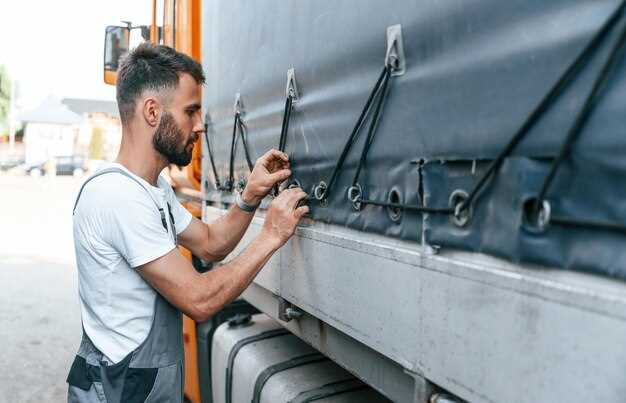
When preparing your trailer for towing, achieving proper weight distribution is crucial for safe race transport. An imbalanced load can lead to swaying, poor handling, and increased wear on your towing vehicle. To ensure that the weight is evenly distributed, start by placing heavier items towards the front of the trailer, close to the axle. This placement helps maintain stability and prevents the trailer from becoming tail-heavy.
To determine the optimal weight balance, you can use a scale to measure the weight at each wheel. Ideally, 60% of the weight should be in the front half of the trailer. Monitor the tongue weight, which should be around 10-15% of the total trailer weight, to maintain control while towing.
Once weight distribution is addressed, load securing techniques come into play. Utilizing high-quality tie-down straps is essential for immobilizing your gear. Make sure to use straps rated for the weight of the equipment being transported. Employ a combination of webbing and ratchet straps to create multiple points of contact that secure the load effectively.
Additionally, consider using wheel chocks and tie-down points within the trailer to prevent movement during transit. Position these chocks against the tires of the vehicle or equipment, and ensure that each tie-down strap is tightened adequately without overloading it. Regularly check the load and securing mechanisms throughout your trip to ensure everything remains intact and safe.
By focusing on proper weight distribution and effective load securing techniques, you can enhance safety when towing, allowing for a smoother race transport experience. Always prioritize preparation to avoid potential hazards on the road.
Choosing the Right Vehicle and Towing Equipment
Selecting the appropriate vehicle for towing your trailer is crucial for ensuring safe transport. The vehicle must have adequate towing capacity, which is determined by its engine power, transmission, and overall weight rating. Check the manufacturer’s specifications for the maximum towing limits to avoid exceeding them, as this could lead to accidents or vehicle damage.
In addition to the vehicle itself, selecting the right towing equipment is equally important. A compatible hitch that matches the weight of the trailer is essential. There are various types of hitches, including bumper hitches and weight-distributing hitches, each designed for specific towing needs. Make sure the hitch is properly installed and rated for the load you will be carrying.
Furthermore, appropriate safety chains should be used in conjunction with the hitch. These chains provide additional security in case the trailer detaches from the towing vehicle. Always cross the chains beneath the trailer tongue to form a cradle to catch it if it becomes uncoupled.
Lastly, the braking system of both the towing vehicle and the trailer must be evaluated. If the trailer’s weight exceeds a certain threshold, a trailer brake controller may be required to enhance stopping power. Ensure that your setup complies with local regulations regarding trailer braking systems.


